
Mark Weston: Biography, Career, Life and Lasting Legacy
The Remarkable Life of a Pioneering British Athlete

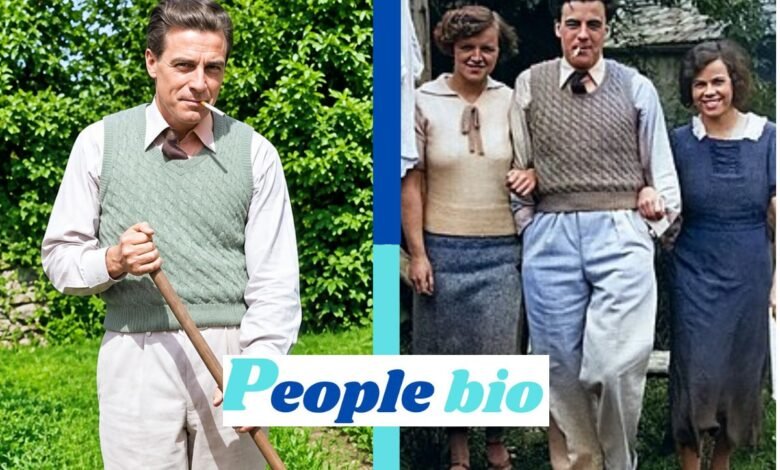
Mark Weston was a remarkable British field athlete whose story goes far beyond sporting achievements. Born in 1905 and raised as Mary Edith Louise Weston, he became known during the 1920s for his outstanding performances in women’s athletics. Nicknamed the “Devonshire Wonder,” he won national titles in shot put, javelin throw and discus, making him a notable figure in British field sports of his era.
Weston’s life later took a significant turn when questions about his sex characteristics led to medical investigations and corrective surgeries in 1936. Following treatment, he officially adopted the name Mark and lived as a man. He retired from competitive athletics, worked as a masseur, married Alberta Matilda Bray, and had three children. His life remains historically significant because it connects sporting history with the changing medical and social understanding of intersex people in 20th-century Britain.
Quick Facts About Mark Weston
| Fact | Details |
|---|---|
| Full Name | Mark Weston |
| Birth Name | Mary Edith Louise Weston |
| Born | 1905 |
| Died | 1978 |
| Nationality | British |
| Profession | Field athlete and masseur |
| Nickname | “Devonshire Wonder” |
| Main Sports | Shot put, javelin and discus |
| Known For | National athletics titles and historic life story |
| Medical Treatment | Corrective surgeries in 1936 |
| Spouse | Alberta Matilda Bray |
| Children | Three |
| Competitive Career | Primarily during the 1920s |
Early Life and Background
Mark Weston was born in Britain in 1905 and was raised as Mary Edith Louise Weston. Weston was intersex, meaning his biological sex characteristics did not fit typical male or female classifications.
During his early years, Weston was publicly regarded as female and eventually became involved in competitive athletics. Sport provided an opportunity for him to demonstrate considerable physical strength, particularly in throwing disciplines.
The sporting world of the 1920s was very different from today. Women’s athletics was still developing, and field events such as shot put, javelin and discus required exceptional strength and technique. Weston quickly attracted attention because of his performances.
His background later became an important part of his personal story when questions about his anatomy and sex characteristics prompted further medical examination.
Her Age and Physical Features
During the period when Weston competed in women’s athletics, he was publicly identified as female. Later medical investigations revealed physical characteristics that led doctors to reassess his sex.
Because records from the early 20th century are limited and medical terminology has changed considerably, modern descriptions of Weston’s physical characteristics should be treated carefully. Historical accounts generally describe him as intersex and document the medical procedures he underwent in 1936.
Weston was born in 1905, meaning he was in his early 30s when he underwent the surgeries that marked a major change in his life. He subsequently lived as Mark Weston rather than continuing to compete under his earlier identity.
It is also worth remembering that historical sources may use outdated terminology. Words used by doctors and newspapers in the 1930s do not necessarily reflect the language or understanding used today.
Career and Major Achievements
Mark Weston’s athletic career was centered on field events, particularly throwing competitions. He achieved national-level success in shot put, javelin throw and discus throw and became known as the “Devonshire Wonder.”
His ability to compete successfully in several disciplines made him a notable British athlete during the 1920s. These accomplishments remain an important part of his sporting legacy.
The “Devonshire Wonder”
The nickname “Devonshire Wonder” reflected the attention Weston received for his impressive athletic performances.
Throwing events demanded a combination of power, balance, timing and technique. Weston’s success across three different disciplines demonstrated versatility rather than dependence on a single event.
His achievements were particularly notable because organized women’s sport was still developing during the period in which he competed. Athletes who excelled at national level could attract considerable public interest.
For Weston, however, athletics was only one part of a much larger and more complicated life story.
Medical Investigation and Transition
As Weston grew older, questions surrounding his sex and anatomy became increasingly important. Medical professionals eventually examined his condition and determined that he had intersex characteristics.
In 1936, Weston underwent a series of corrective surgeries at Charing Cross Hospital. These procedures were a turning point in his life.
Following the operations, Weston began living as a man and officially changed his name to Mark Weston. He did not return to competitive athletics after this transition.
His experience should be understood in the historical context of the 1930s. Medical knowledge about intersex variations was considerably less developed than it is today, and the terminology and approaches used by physicians were very different from modern standards.
Why Did Mark Weston Retire From Athletics?
Weston retired from competitive athletics after undergoing medical treatment and beginning life as Mark.
His retirement brought an end to a sporting career that had included national titles in three major throwing events. Rather than returning to competition, he chose a different professional path.
Weston eventually worked as a masseur, establishing a quieter life outside the world of competitive sport.
Relationship With Alberta Matilda Bray
An important part of Weston’s later life was his relationship with Alberta Matilda Bray.
The couple married after Weston had transitioned and established his life as Mark. Their marriage represented another significant chapter in a life that had already undergone considerable change.
Unlike his athletic years, Weston’s later life was largely private. He moved away from public sporting attention and focused more on work and family.
Marriage and Family Life
Mark Weston and Alberta Matilda Bray built a family together and had three children.
Family life became an important part of Weston’s post-athletic years. His career as an athlete had brought public recognition, but his later years were comparatively private.
His marriage and children also demonstrate that Weston’s life after athletics was not defined solely by his earlier sporting career or medical history. He established a family and pursued an ordinary professional life while living as Mark.
Social Media Presence
Mark Weston lived from 1905 to 1978, long before social media, websites and digital communication existed.
As a result, there are no verified personal social media accounts belonging to Weston. Any modern profiles or pages using his name should not automatically be considered official.
Today, information about Weston is primarily found through historical references, biographies, archives and discussions of athletics and intersex history rather than through personal online activity.
Who Is Mark Weston?
Mark Weston was a British athlete and one of the more unusual figures in the history of early British field sports.
He first competed in women’s athletics under the name Mary Edith Louise Weston and achieved national success in shot put, javelin and discus. His athletic ability earned him the nickname “Devonshire Wonder.”
Later, medical examinations revealed his intersex characteristics. After undergoing corrective surgery in 1936, Weston adopted his male identity and lived as Mark for the remainder of his life.
His story is therefore relevant to more than sports history. It also offers insight into the way sex characteristics, medical treatment and personal identity were understood during the first half of the 20th century.
Personality and Interests
There is limited reliable historical information about Weston’s personality and private interests. Most surviving accounts focus on his athletics, medical history and later family life.
His decision to retire from competition and work as a masseur suggests a major shift away from the public world of competitive sport. After becoming Mark, he appears to have preferred a more private existence.
It would be inappropriate to assign modern personality labels or speculate about his private thoughts without reliable evidence. What is clear is that Weston experienced substantial changes during his lifetime and successfully established a new professional and family life afterward.
Net Worth and Income
There is no reliable public estimate of Mark Weston’s net worth.
Weston lived during a period when detailed financial records of athletes were rarely published, especially for competitors in amateur athletics. There is also no credible evidence establishing a specific fortune or career earnings figure.
After retiring from athletics, Weston worked as a masseur. This profession provided his primary known source of income during his later working life.
Therefore, websites that claim an exact net worth for Weston should be approached cautiously unless they provide strong historical documentation.
Public Image and Legacy
Weston’s public image changed dramatically throughout his life.
During the 1920s, he was primarily known as a successful field athlete. His national titles and nickname helped establish his reputation in British athletics.
After his medical treatment in 1936, his story became associated with questions surrounding sex characteristics and gender. His experience is now of interest to historians examining the history of intersex people, medicine and sport.
One of the most important aspects of his legacy is that it demonstrates how complicated the relationship between sport and sex classification has been for more than a century.
Modern discussions about eligibility, biological sex and gender in athletics often focus on contemporary cases, but Weston’s story shows that questions about sex classification in competitive sport have much deeper historical roots.
His life also highlights the importance of using historical sources carefully. The terminology used to describe Weston in older accounts can differ significantly from modern language, and readers should consider the social and medical context of the period.
Why Mark Weston Still Matters Today
Although Weston died in 1978, his story continues to attract historical interest.
One reason is his athletic achievement. Winning national titles in three throwing events was a considerable accomplishment and demonstrates his importance within the sporting history of his period.
Another reason is his experience as an intersex person. His medical treatment occurred decades before contemporary discussions about intersex rights, gender identity and sex development became widely recognized.
His story therefore provides a historical perspective on issues that remain subjects of discussion today. It also reminds readers that individual experiences cannot always be neatly categorized according to modern definitions.
Mark Weston’s Place in British Athletics History
Weston deserves recognition for his contribution to British field athletics. His success in shot put, javelin and discus placed him among the notable throwing athletes of his era.
His career also reflects the changing landscape of women’s sport during the 1920s. Competitive opportunities for women were expanding, but athletes still faced social restrictions and limited professional opportunities.
Weston’s achievements occurred during this transitional period, making his career useful for understanding the development of British athletics.
Even though his competitive career ended after his transition, the records of his earlier achievements remain an important part of his historical identity.
Conclusion
Mark Weston’s biography is a remarkable chapter in both British sporting history and the history of intersex people. His success as a field athlete during the 1920s earned him national recognition and the nickname “Devonshire Wonder.” His achievements in shot put, javelin and discus demonstrated considerable athletic ability.
His life later changed dramatically after medical investigations and corrective surgeries in 1936. Weston subsequently adopted his male identity, retired from athletics, became a masseur, married Alberta Matilda Bray and raised three children.
While many details of his private life remain unknown, his documented achievements and experiences continue to attract historical interest. His story offers a valuable reminder that the history of athletics, sex classification and human identity is far more complex—and much older—than modern discussions might suggest.
FAQs About Mark Weston
1. Who was Mark Weston?
Mark Weston was a British field athlete born in 1905. He competed in women’s athletics during the 1920s before undergoing medical treatment in 1936 and subsequently living as a man.
2. What was Mark Weston famous for?
Weston was known for winning national titles in shot put, javelin throw and discus throw. He was also nicknamed the “Devonshire Wonder.”
3. Was Mark Weston born intersex?
Historical accounts describe Weston as intersex. He was assigned female at birth and raised as Mary Edith Louise Weston.
4. When did Mark Weston undergo surgery?
Weston underwent a series of corrective surgeries in 1936 at Charing Cross Hospital.
5. Why did Mark Weston stop competing in athletics?
After his medical treatment and transition, Weston retired from competitive athletics rather than continuing his sporting career.
6. Who did Mark Weston marry?
Weston married Alberta Matilda Bray after beginning his life as Mark.
7. Did Mark Weston have children?
Yes. Mark Weston and Alberta Matilda Bray had three children.
8. When did Mark Weston die?
Weston died in 1978, after spending his later years working as a masseur and living a relatively private family life.