How can you tell the difference between an authentic manga figure and a counterfeit?

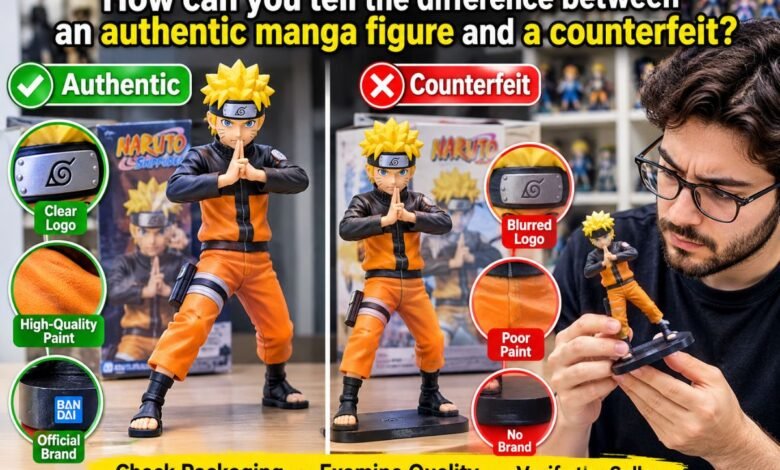
Anime figures have become essential collectibles for manga enthusiasts, but distinguishing authentic products from counterfeits is not always straightforward. A convincing replica can reproduce the appearance of a popular character while hiding significant differences in manufacturing quality, materials, and licensing. Whether you collect Naruto statues, One Piece characters, or limited-edition Japanese releases, knowing what to examine before purchasing can prevent expensive disappointments.
The market for authentic manga figures includes everything from affordable prize figures to intricate premium statues. Unfortunately, counterfeit manufacturers frequently target popular characters and successful product lines. Some fake figures look obviously suspicious, while others imitate official packaging and logos closely enough to confuse inexperienced buyers. Price alone is rarely sufficient to determine authenticity.
As a longtime collector, I approach every unfamiliar purchase like a detective examining evidence. I compare official photographs, inspect manufacturer markings, study the seller’s history, and pay attention to small details. A poorly printed box, inaccurate facial expression, or unusual assembly system can reveal a counterfeit anime figure. However, even genuine products occasionally contain minor imperfections, making it important to assess several characteristics together.
Browsing specialist collections through websites such as https://anime-figures-otakyo.com/ can help collectors become familiar with different character designs and figure categories, although the authenticity of any individual product still requires verification. Understanding official anime merchandise, manufacturer practices, packaging differences, and realistic pricing makes it easier to recognize warning signs before committing to a purchase.
Examine the packaging and official manufacturer markings
The packaging is often the most accessible starting point when checking the authenticity of an anime collectible. Established manufacturers generally use carefully designed boxes featuring character illustrations, consistent branding, licensing information, and product-specific details. Counterfeit packaging may imitate these elements, but differences in printing quality, typography, and color reproduction can raise suspicion.
Look closely at the manufacturer’s logo, copyright information, and product name. Companies such as Good Smile Company, Kotobukiya, Bandai Spirits, and MegaHouse release figures under recognizable brands. Their packaging can include distinctive labels, product codes, and legal markings. The precise design varies depending on the product line, production period, and distribution region.
A genuine anime figure box may include licensing information referencing the original manga publisher, animation production committee, or other rights holders. However, not every authentic figure carries the same sticker or hologram. Japanese domestic releases and international editions sometimes use different packaging arrangements. Missing stickers should therefore trigger further investigation rather than an automatic assumption of fraud.
Compare the box with photographs of the exact product and release version. Pay attention to the positioning of logos, window shapes, background graphics, and printed character names. A counterfeit manufacturer may use a slightly different image or reproduce the artwork with blurred details. Other counterfeiters create boxes that resemble official packaging extremely closely.
Product codes and barcodes can support an anime figure authenticity check, but they are not definitive proof. Counterfeiters can copy legitimate identifiers. Matching information becomes more meaningful when combined with visual inspections and purchase documentation.
Recognize the differences in sculpting and paint quality
The figure itself usually provides more compelling evidence than the packaging. Official manufacturers work from approved character designs and established production specifications. This generally creates a recognizable level of consistency across authentic releases, particularly in facial proportions, sculpted clothing, hair details, and accessories.
Examine the character’s face carefully. The eyes should correspond with official product photographs, including their shape, positioning, and expression. On a fake anime figure, the eyes may appear incorrectly aligned, while the mouth or nose can look subtly different. These discrepancies become especially noticeable when comparing two versions of the same collectible side by side.
The quality of the paint application provides another valuable indication. Authentic figures can feature detailed shading, clean color boundaries, and carefully reproduced facial features. Counterfeits sometimes display excessive paint, uneven skin tones, misplaced decorations, or visible smudges. Premium figures with complex finishes are particularly interesting to examine because their designs contain numerous small details.
Inspect the hair and clothing as well. Sharp sculpting, accurate folds, and recognizable character accessories help distinguish the original design from poorly reproduced alternatives. However, genuine mass-produced figures can also have visible mold lines or small paint defects. Manufacturing variation is normal, especially among inexpensive prize figures.
Material quality also deserves attention. Many figures use PVC and ABS components, while some statues incorporate resin or other materials. An unusually flexible accessory, excessive surface gloss, or unstable connection may indicate poor manufacturing, but these characteristics are not exclusive to counterfeits.
When possible, compare the collectible with official manufacturer photographs and reliable collector images. Promotional prototypes may differ slightly from final production units, so photographs of the actual released figure are particularly useful.
How can you verify the authenticity of a figure before buying?
Authenticity verification becomes much easier when you investigate the specific product rather than judging its general appearance. Start by identifying the exact manufacturer, character, product line, and release. Many popular characters have received dozens of official figures, sometimes featuring similar poses and costumes.
Search for the official product name and compare its documented specifications with the seller’s description. Details such as dimensions, included accessories, interchangeable parts, and release dates can expose inconsistencies. A listing that combines photographs from different editions deserves additional scrutiny.
Compare the product with recognized manufacturer releases
Manufacturers maintain product catalogs that can help establish whether a particular figure was officially produced. Good Smile Company, for example, offers several figure lines, including Nendoroid, figma, and POP UP PARADE. Each line follows recognizable design conventions, although individual products differ significantly.
When examining a Nendoroid figure, check whether the faceplates, articulated components, and accessories correspond with the documented release. A suspicious product might include incorrectly shaped accessories or an unusual facial expression. Remember that some legitimate releases include fewer accessories than others.
Banpresto figures, distributed through Bandai Spirits product lines, require a different approach. These are often affordable collectibles designed for arcade prize distribution or similar markets. Their finishing standards should not be judged against expensive scale figures. Instead, compare the product with photographs of the same official model.
For limited-edition manga figures, verify the edition details and original manufacturer information. Special versions may feature alternative colors, exclusive accessories, or event-related packaging. The existence of an unusual design does not automatically make a figure counterfeit.
Collector photographs can also reveal manufacturing details that promotional images do not show. Looking at multiple genuine examples helps establish what normal variation looks like.
Request detailed photographs and purchase information
When buying secondhand figures, request photographs of the actual item rather than relying entirely on promotional images. A trustworthy seller should generally be able to show the box, figure, base, accessories, and manufacturer markings when these are available.
Ask for close-up pictures of facial details and any suspicious areas. If the figure remains sealed, request photographs of the packaging from several angles. A sealed box does not guarantee authenticity, but consistent packaging information can strengthen your assessment.
Original receipts or purchase confirmations can provide useful proof of purchase. They may help establish where the figure came from, particularly when the seller acquired it through an established retailer. Such documents are supporting evidence, not absolute proof that the item is genuine.
Pay attention to the seller’s explanation of the figure’s condition. Terms such as unopened, displayed, damaged, and missing accessories have different implications. Missing components do not necessarily indicate a counterfeit, but they affect the collectible’s completeness and resale value.
The strongest authenticity verification combines reliable product information, detailed photographs, manufacturer comparisons, and credible seller documentation. No single characteristic should determine the final decision.
Understand why counterfeit anime figures are often cheaper
Price differences are one of the most common reasons collectors become suspicious. Official figures involve licensing arrangements, design development, sculpting, manufacturing, packaging, and distribution. These expenses influence retail prices, especially for detailed scale models and specialized collectible releases.
Counterfeit manufacturers may reproduce an existing design without paying the same licensing and development costs. This can allow sellers to offer considerably lower prices. However, an attractive discount does not automatically mean the product is fake.
Legitimate retailers sometimes reduce prices to clear inventory. Secondhand collectors may sell items below their original retail value, particularly if boxes are damaged or demand has declined. Prize figures are also generally more affordable than premium scale collectibles.
Investigate the market value of authentic anime figures by comparing several sellers offering the same release. Consider shipping charges, import taxes, product condition, and whether the figure includes its original packaging. An unusually low price becomes concerning when combined with poor photographs, unclear manufacturer information, or an unreliable seller.
A counterfeit can also be sold at a high price. Some sellers deliberately imitate legitimate market values to avoid attracting suspicion. This is why collectors should never rely exclusively on price when determining whether an anime collectible is genuine.
Choose reliable sellers and avoid common purchasing mistakes
Buying from an established specialist retailer can reduce the risk of receiving counterfeit merchandise. Look for transparent business information, clear product descriptions, accessible customer support, and understandable return conditions. A reputable store should identify the manufacturer and distinguish official merchandise from other categories of products.
When shopping through online marketplaces, examine the individual seller rather than assuming that the platform guarantees every listing. Read customer feedback carefully, particularly comments concerning figure authenticity, packaging, and discrepancies between advertised and delivered products.
Be cautious when a seller uses only promotional images, lists numerous rare figures at implausibly low prices, or cannot explain the origin of their stock. Vague descriptions such as unofficial version, reproduction, or compatible figure may indicate that the item is not officially licensed.
If you are considering a valuable collectible, ask about the return policy and available buyer protection. Payments through methods that support disputes can provide additional security when an item arrives significantly different from its description.
For expensive purchases, experienced collectors often compare several independent indicators before committing. Patience is particularly valuable when searching for discontinued figures, which can attract both legitimate resellers and counterfeit listings.