
Elite Kipchoge Biography: Career, Records, and Life Story
Eliud Kipchoge: Records, Olympic Glory, and His Inspiring Journey

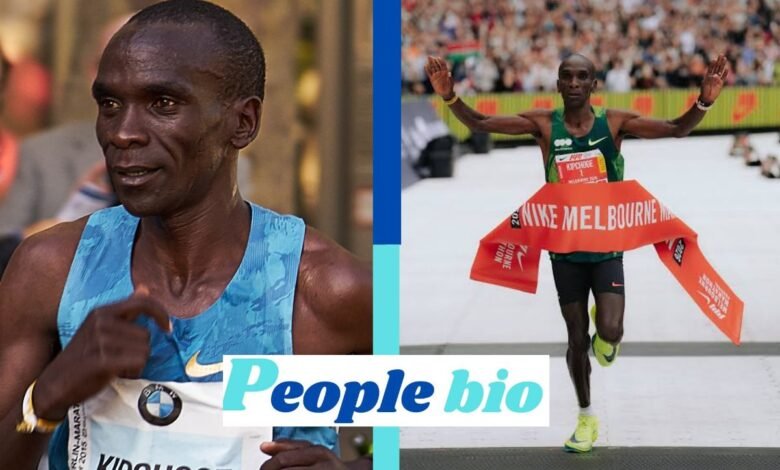
Elite Kipchoge is a name closely associated with excellence, discipline, and extraordinary achievements in long-distance running. Widely recognized as one of the greatest marathon runners in history, Eliud Kipchoge has inspired millions of people through his Olympic victories, world-record performances, and determination to push beyond perceived human limits. Born in Kenya, he rose from humble beginnings to become an international sporting icon whose influence extends far beyond the finish line. His famous motto, “No Human Is Limited,” reflects his belief that consistent effort and a positive mindset can help people achieve remarkable goals. From winning Olympic gold medals to completing a marathon in under two hours under specially organized conditions, his journey demonstrates the power of preparation and perseverance. This article explores the elite Kipchoge biography, including his early life, career achievements, family, training philosophy, income, and lasting legacy.
Quick Facts About Elite Kipchoge
| Detail | Information |
|---|---|
| Full Name | Eliud Kipchoge |
| Known As | Elite Kipchoge |
| Date of Birth | November 5, 1984 |
| Age | 41 years old as of October 2026 |
| Birthplace | Kapsisiywa, Nandi County, Kenya |
| Nationality | Kenyan |
| Profession | Professional long-distance runner |
| Main Event | Marathon |
| Olympic Gold Medals | Two |
| Olympic Marathon Titles | 2016 and 2020 |
| Official Marathon Personal Best | 2:01:09 |
| Historic Sub-Two-Hour Run | 1:59:40.2 in 2019 |
| Coach | Patrick Sang |
| Wife | Grace Sugutt |
| Children | Three |
| Famous Motto | No Human Is Limited |
Who Is Elite Kipchoge?
Elite Kipchoge generally refers to Eliud Kipchoge, the celebrated Kenyan athlete who transformed modern marathon running through his consistency, speed, and competitive achievements. Although his full name is Eliud Kipchoge, the phrase “elite Kipchoge” is also used when discussing his status as a world-class distance runner.
Kipchoge became internationally famous for winning major marathons, setting an official world record, and securing consecutive Olympic marathon gold medals. His achievements have established him as an influential figure in athletics and an inspiration to both professional runners and everyday fitness enthusiasts.
What makes him particularly remarkable is his ability to combine physical excellence with mental discipline. He approaches running as a long-term process that requires patience, teamwork, and consistent improvement rather than relying on talent alone.
His influence has also expanded beyond competitive racing. Through motivational messages, community initiatives, and international running projects, Kipchoge continues to encourage people to challenge their own limitations.
Early Life and Background
Eliud Kipchoge was born on November 5, 1984, in Kapsisiywa, a rural community in Kenya’s Nandi County. He grew up in a modest household and was raised primarily by his mother, who worked as a kindergarten teacher. His father died when he was young.
Growing up in the Kenyan Highlands exposed him to an environment where running and physical activity were part of everyday life. As a young boy, he gradually developed an interest in running, although he could not have known that the activity would eventually turn him into one of the world’s most famous athletes.
An important turning point came during his teenage years when he sought guidance from Patrick Sang, a former elite runner who later became his longtime coach. Their relationship developed into a successful partnership built around discipline, careful preparation, and long-term development.
Kipchoge’s early experiences helped shape his attitude toward success. Instead of searching for shortcuts, he learned the value of following a routine, listening to experienced mentors, and improving through consistent effort.
These principles remained central to his professional career and helped him navigate the physical and mental challenges of elite competition.
Elite Kipchoge Age and Physical Features
Eliud Kipchoge was born on November 5, 1984, making him 41 years old as of October 2026. His longevity in professional athletics is particularly impressive because marathon running places considerable demands on an athlete’s cardiovascular system, muscles, and recovery abilities.
Kipchoge has a lean, athletic build suited to long-distance running. His physical conditioning supports efficient movement and helps him maintain a demanding pace over the marathon’s 42.195-kilometre distance.
However, his achievements cannot be explained by body type alone. Years of training, race experience, disciplined recovery, and careful pacing have all contributed to his performance.
His career also demonstrates that success in endurance sports depends on more than youthful speed. Experience, patience, tactical awareness, and mental strength can remain valuable as athletes grow older.
Kipchoge’s continued involvement in competitive running and international projects reflects his commitment to the sport, even as he moves through the later stages of his elite racing career.
Career and Major Achievements
Kipchoge began his international career as a track runner and won the 5,000-metre title at the 2003 World Athletics Championships. He later earned Olympic medals in the 5,000 metres before transitioning to marathon running. His greatest achievements include winning Olympic marathon gold at Rio 2016 and Tokyo 2020, setting the official men’s marathon world record of 2:01:09 in Berlin in 2022, and completing the marathon distance in 1:59:40.2 during the specially organized INEOS 1:59 Challenge in 2019. He subsequently expanded his ambitions through a Seven Continents World Tour, bringing his message of unity and perseverance to running communities around the world.
Elite Kipchoge’s Marathon Records
Kipchoge’s marathon performances have placed him among the most accomplished athletes in distance-running history. He has won several prestigious races and demonstrated remarkable consistency over a career spanning multiple competitive eras.
His first major marathon victories helped establish his reputation as a serious contender. He won the Chicago Marathon in 2014 and went on to achieve major success in London and Berlin.
The Berlin Marathon became a particularly important part of his story. In 2018, he finished in 2:01:39, setting a world record and significantly improving the previous mark.
In 2022, he returned to Berlin and recorded 2:01:09, lowering his own record. The performance showcased his ability to combine speed with extraordinary endurance.
His official record must be distinguished from his 2019 sub-two-hour performance. The Berlin result took place in an eligible competitive race, whereas the Vienna challenge involved specially arranged conditions and was not recognized as an official marathon world record.
Together, these performances helped change public perceptions of what a marathon runner could achieve.
The Historic Sub-Two-Hour Marathon
One of the most famous moments in the elite Kipchoge story occurred on October 12, 2019, in Vienna, Austria.
During the INEOS 1:59 Challenge, Kipchoge completed the marathon distance in 1:59:40.2. He became the first person to cover the full marathon distance in less than two hours.
The achievement attracted worldwide attention because breaking the two-hour barrier had long been considered a major challenge in distance running.
The event took place under specially designed conditions, including rotating pacemakers and a pace-setting vehicle. As a result, the performance did not qualify as an official marathon world record.
Nevertheless, the achievement represented an important milestone in sports science and human endurance. It demonstrated what could be accomplished through exceptional athletic ability, precise pacing, teamwork, and extensive preparation.
Kipchoge’s performance also reinforced his famous motto, “No Human Is Limited.” For him, the challenge was not simply about running quickly; it was about inspiring people to rethink the boundaries they place on themselves.
Elite Kipchoge’s Seven Continents World Tour
In 2026, Kipchoge began a new chapter through an ambitious initiative to run marathons across all seven continents. The project aims to connect communities, encourage participation in running, support the Eliud Kipchoge Foundation, and inspire younger generations.
The journey includes Africa, South America, Oceania, Europe, North America, Asia, and Antarctica.
His African stage began in Cape Town, South Africa, while the South American leg took him to Porto Alegre, Brazil. These events allowed him to connect with runners from different backgrounds while promoting his belief that running can unite people.
A major highlight came at the Melbourne Marathon in Australia on October 11, 2026. Kipchoge won in 2:09:10, setting a course record and earning his first marathon victory in three years.
The Melbourne result was particularly noteworthy because it demonstrated his continued competitiveness at age 41. It also added a memorable achievement to a tour focused on sharing his passion for running rather than pursuing records alone.
The remaining stages are planned to extend the initiative across Europe, North America, Asia, and Antarctica. Specific future race dates and arrangements should be confirmed through official announcements.
Relationship With Patrick Sang
Patrick Sang has played a central role in Kipchoge’s development as an athlete. A former elite runner himself, Sang became Kipchoge’s coach when the younger athlete was still developing his competitive potential.
Their partnership has lasted for decades and is widely associated with patience, consistency, and trust. Rather than depending on constant changes in training methods, Kipchoge has benefited from a stable coaching relationship that emphasizes long-term progress.
Sang’s guidance has helped Kipchoge navigate the transition from track racing to marathon running and prepare for the unique demands of major international competitions.
Their relationship also illustrates the importance of mentorship in sport. Even exceptionally talented athletes benefit from experienced guidance, structured preparation, and honest feedback.
Kipchoge’s success is therefore not solely an individual accomplishment. It reflects the combined work of an athlete, a coach, training partners, and a wider support team.
Marriage and Family Life
Despite his international fame, Kipchoge generally keeps his family life private. He is married to Grace Sugutt, and the couple have three children.
His family has been an important source of support throughout his demanding professional career. Elite marathon training requires considerable time, travel, and personal discipline, making a stable support system valuable.
Kipchoge has often emphasized the importance of maintaining balance and appreciating the people who contribute to an athlete’s success. Although he spends much of his professional life preparing for races, he has also spoken about the value of family and a simple lifestyle.
He does not frequently share intimate details about his children or home life in public. This preference for privacy allows him to maintain a distinction between his international sporting responsibilities and his personal relationships.
His approach reflects the fact that public recognition does not require every part of an athlete’s life to become public information.
Personality and Interests
Kipchoge is widely admired for his calm personality, thoughtful communication, and disciplined approach to daily life. His public statements often focus on consistency, humility, teamwork, and the importance of maintaining a positive mindset.
He has developed a reputation as a reflective athlete who sees running as an opportunity for personal growth. His famous motto encourages people to challenge limiting beliefs and work steadily toward their goals.
Reading and personal development are among the interests associated with his lifestyle. He has also spoken about the value of simplicity and routine, suggesting that a focused life can help people maintain clarity and direction.
His attitude toward competition is another defining characteristic. Rather than treating every rival as an enemy, Kipchoge often emphasizes the importance of learning from others and respecting the wider running community.
These qualities have helped him appeal to audiences beyond athletics, including people interested in leadership, productivity, and personal development.
Social Media Presence
Eliud Kipchoge maintains a public profile through social media and other digital platforms. His online presence helps him communicate with fans, share professional updates, and promote initiatives related to running and community development.
His posts commonly focus on athletic preparation, race results, inspirational messages, and his wider mission to encourage people to embrace physical activity.
Social media has also helped him reach younger audiences who may not regularly follow international athletics. Through digital communication, he can share his experiences with runners across different countries and cultures.
However, Kipchoge’s public identity is not limited to online popularity. His reputation has primarily been built through competitive achievements, consistent professionalism, and his influence on the sport.
For readers seeking his latest announcements, it is best to look for verified accounts bearing his name rather than relying on unofficial profiles or reposted content.
Elite Kipchoge Net Worth and Income
Kipchoge’s exact net worth has not been publicly verified through comprehensive financial disclosures. Any specific figure published online should therefore be treated as an estimate rather than a confirmed amount.
As one of the world’s most successful marathon runners, he has had opportunities to earn money through race prizes, sponsorship agreements, brand partnerships, and promotional activities.
Elite marathon runners can receive substantial compensation from major events, particularly when they win prestigious races or achieve exceptional performances. Sponsorships can also represent an important source of income for athletes with international recognition.
Kipchoge’s association with major sporting brands has helped strengthen his commercial profile. His reputation for consistency and professionalism makes him an attractive ambassador for businesses seeking to connect with athletic performance and perseverance.
His foundation and charitable initiatives should be distinguished from his personal earnings. Money associated with a charitable organization is not automatically part of an individual’s net worth.
Without reliable financial documentation, it would be misleading to present an exact personal fortune as fact. His athletic accomplishments and international influence, however, clearly establish him as a prominent figure in professional sport.
Public Image and Legacy
Kipchoge’s public image combines athletic excellence with a message of perseverance. He is recognized not only for his victories but also for his belief that discipline and consistent effort can help people overcome challenges.
His two Olympic marathon gold medals, official world record, and historic sub-two-hour performance have secured his place in discussions about the greatest distance runners of all time.
The Seven Continents World Tour adds another dimension to his legacy. Instead of focusing entirely on winning major races, the initiative seeks to bring people together and encourage wider participation in running.
His influence can be seen in the way athletes, coaches, and recreational runners discuss pacing, preparation, and mental resilience. His achievements have also increased public interest in the scientific and practical limits of marathon performance.
Perhaps his most lasting contribution is the message behind “No Human Is Limited.” While athletic records remain important, the philosophy encourages people to set goals, remain patient, and approach difficult tasks with determination.
Kipchoge’s career shows that a sporting legacy can be built through both exceptional results and a consistent commitment to inspiring others.
Conclusion
The elite Kipchoge biography tells the story of an athlete who transformed extraordinary talent into lasting sporting success through discipline, patience, and careful preparation.
From his early days in Kenya to Olympic gold medals and a historic sub-two-hour marathon performance, Eliud Kipchoge has repeatedly challenged expectations. His official marathon world record of 2:01:09 and his 2026 Melbourne Marathon victory further demonstrate his remarkable contribution to distance running.
Beyond competition, his Seven Continents World Tour reflects a broader ambition to unite communities, support young people, and encourage individuals to believe in their potential.
His journey is a reminder that success rarely comes from one moment alone. It grows through consistent habits, strong mentorship, teamwork, and the willingness to keep improving. For athletes and ordinary readers alike, Kipchoge’s message remains relevant: meaningful progress begins when people commit to their goals and refuse to give up easily.
8 FAQs About Elite Kipchoge
1. Who is Elite Kipchoge?
Elite Kipchoge refers to Eliud Kipchoge, the Kenyan long-distance runner widely regarded as one of the greatest marathoners in history. He is famous for his Olympic victories, marathon records, and historic sub-two-hour performance.
2. How old is Eliud Kipchoge?
Eliud Kipchoge was born on November 5, 1984. He is 41 years old as of October 2026.
3. How many Olympic gold medals has Kipchoge won?
Kipchoge has won two Olympic marathon gold medals. He achieved his first at the 2016 Rio Olympics and his second at the Tokyo Olympics held in 2021.
4. What is Eliud Kipchoge’s official marathon world record?
Kipchoge set the official men’s marathon world record at 2:01:09 at the Berlin Marathon in September 2022. Official records may change as other athletes establish faster times.
5. Did Eliud Kipchoge run a marathon in under two hours?
Yes. He completed the marathon distance in 1:59:40.2 during the INEOS 1:59 Challenge in Vienna in 2019. Because the event used specially arranged conditions, the time was not recognized as an official marathon world record.
6. Who is Eliud Kipchoge’s wife?
Eliud Kipchoge is married to Grace Sugutt. The couple generally keeps their family life private and have three children.
7. What is Eliud Kipchoge’s net worth?
His exact net worth has not been publicly confirmed. His potential income sources include race earnings, sponsorships, brand partnerships, and promotional activities, but online financial estimates should be treated cautiously.
8. What is Eliud Kipchoge’s Seven Continents World Tour?
The Seven Continents World Tour is an initiative to run marathons across all seven continents while promoting global unity, encouraging young runners, and supporting the Eliud Kipchoge Foundation. In 2026, his tour included races in Africa, South America, and Oceania, with further stages planned for other continents.